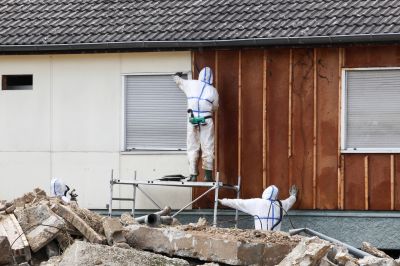
Asbestos Encapsulation in Freehold, NJ
Asbestos encapsulation is a process designed to contain asbestos-containing materials within a property, preventing the release of asbestos fibers into the air. This service is commonly used in homes with asbestos in areas like insulation, siding, or flooring where removal may not be practical or necessary. Encapsulation involves applying a specialized sealant or coating to the asbestos material, creating a barrier that reduces the risk of fiber disturbance and exposure. Homeowners often consider this option when they want to maintain existing materials safely, especially in areas that are difficult to access or where removal could cause more disruption.
Before requesting asbestos encapsulation, property owners should understand which materials contain asbestos and whether they are damaged or intact. It is important to recognize that encapsulation is a containment method rather than a removal, meaning the asbestos remains in place but is sealed. This service is typically suitable for materials in good condition that are unlikely to be disturbed. Consulting with a professional can help determine if encapsulation is appropriate for specific projects, such as in basements, attics, or around ductwork, and ensure the process complies with local regulations and safety standards.
Many property owners in Freehold, NJ look into Asbestos Encapsulation for repairs, replacements, upgrades, and appearance-related improvements.
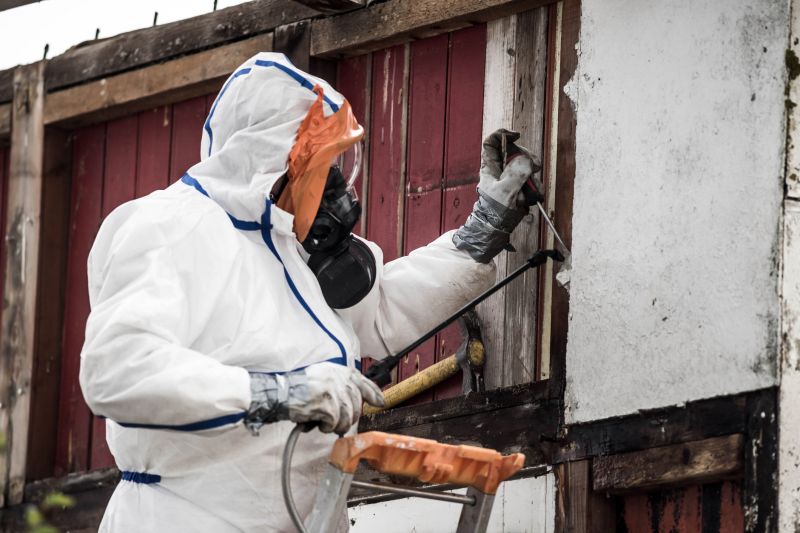
Asbestos Encapsulation Overview
Encapsulation involves sealing asbestos materials to prevent fiber release and ensure safety.
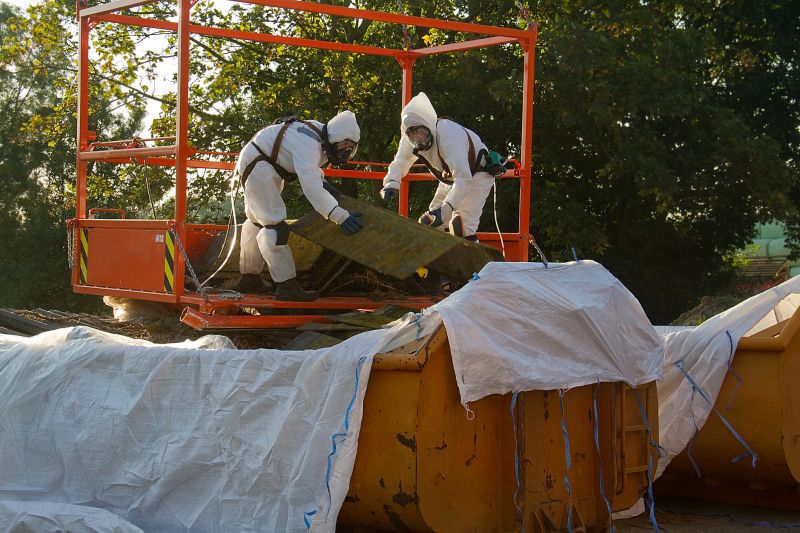
Common Applications
It is often used in attics, pipes, and wall insulation in residential and commercial properties around freehold, nj.
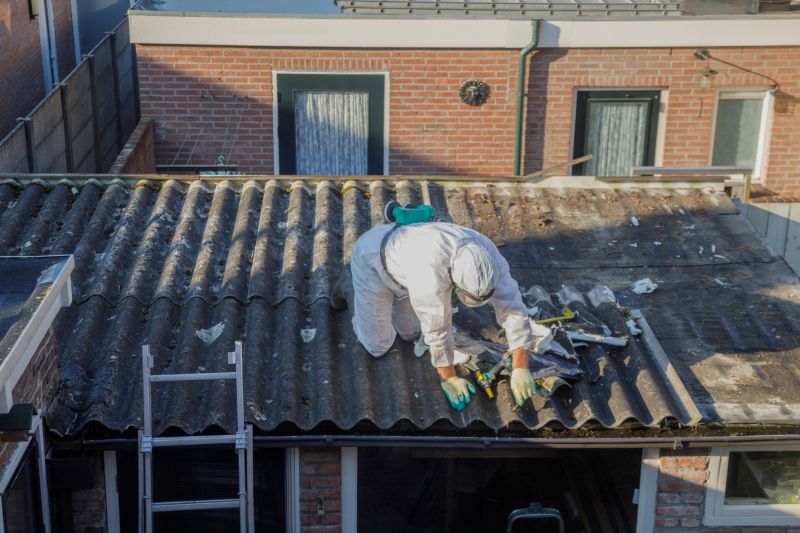
Benefits Of Encapsulation
This method provides a cost-effective way to manage asbestos risks without extensive removal or disturbance.
Asbestos Encapsulation in Freehold, NJ

Asbestos encapsulation is a process designed to contain asbestos-containing materials within a property, preventing the release of asbestos fibers into the air. This service is commonly used in homes with asbestos in areas like insulation, siding, or flooring where removal may not be practical or necessary. Encapsulation involves applying a specialized sealant or coating to the asbestos material, creating a barrier that reduces the risk of fiber disturbance and exposure. Homeowners often consider this option when they want to maintain existing materials safely, especially in areas that are difficult to access or where removal could cause more disruption.
Before requesting asbestos encapsulation, property owners should understand which materials contain asbestos and whether they are damaged or intact. It is important to recognize that encapsulation is a containment method rather than a removal, meaning the asbestos remains in place but is sealed. This service is typically suitable for materials in good condition that are unlikely to be disturbed. Consulting with a professional can help determine if encapsulation is appropriate for specific projects, such as in basements, attics, or around ductwork, and ensure the process complies with local regulations and safety standards.
Many property owners in Freehold, NJ look into Asbestos Encapsulation for repairs, replacements, upgrades, and appearance-related improvements.
Common Asbestos Encapsulation Jobs
Asbestos Encapsulation - A process to seal asbestos-containing materials and prevent fiber release.
Attic Insulation - Encapsulation can be used to cover asbestos insulation in attics safely.
Pipe Insulation - Coating asbestos pipe insulation to contain fibers and improve safety.
Flooring and Tiles - Sealing asbestos-containing tiles and flooring to reduce disturbance risks.
Ceiling and Wall Coatings - Applying protective coatings over asbestos ceilings and walls.
Structural Encapsulation - Sealing asbestos materials in place to prevent deterioration and exposure.
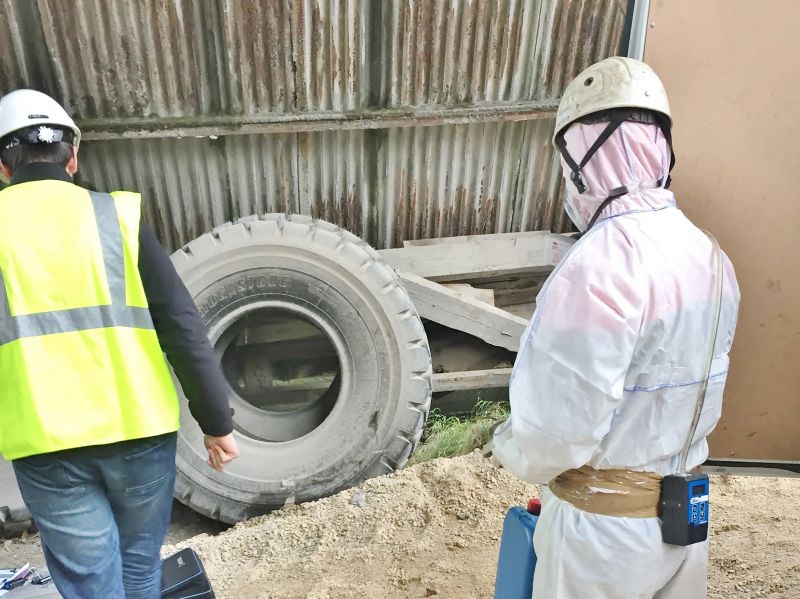
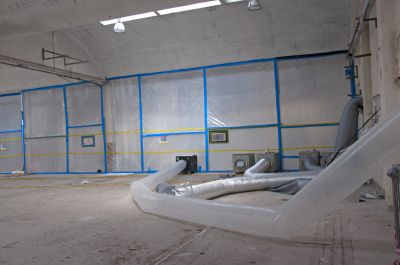
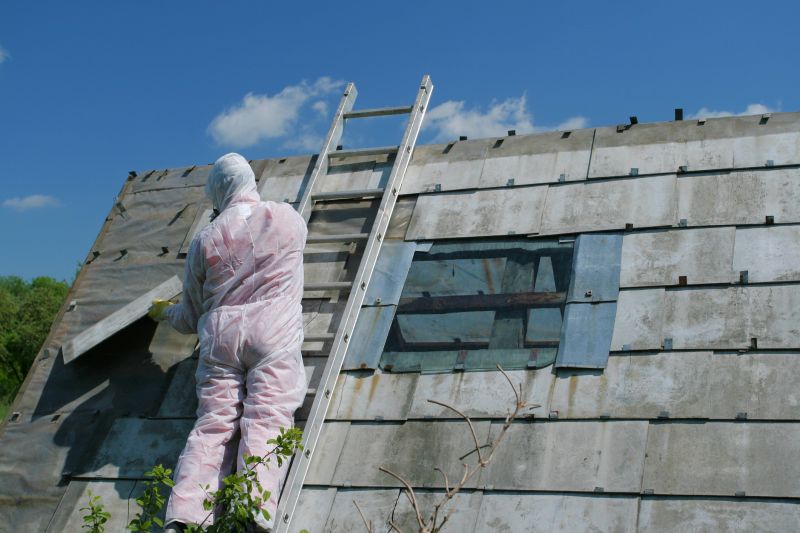
Asbestos Encapsulation Questions
What is asbestos encapsulation? Asbestos encapsulation involves sealing or coating asbestos-containing materials to prevent fiber release and reduce health risks.
When is encapsulation recommended? Encapsulation is suitable when asbestos materials are in good condition but need to be contained to prevent deterioration or disturbance.
Does encapsulation eliminate asbestos hazards? Encapsulation reduces the risk of fiber release but does not remove asbestos; ongoing maintenance may be necessary.
What types of asbestos surfaces can be encapsulated? Common surfaces include flooring, pipes, ceilings, and insulation materials that contain asbestos and are in stable condition.
Request Asbestos Encapsulation in Freehold, NJ
Use the quote form on this page to share the basics of your project and request more information for the type of work you need.