Mold Abatement in Essex County, NJ
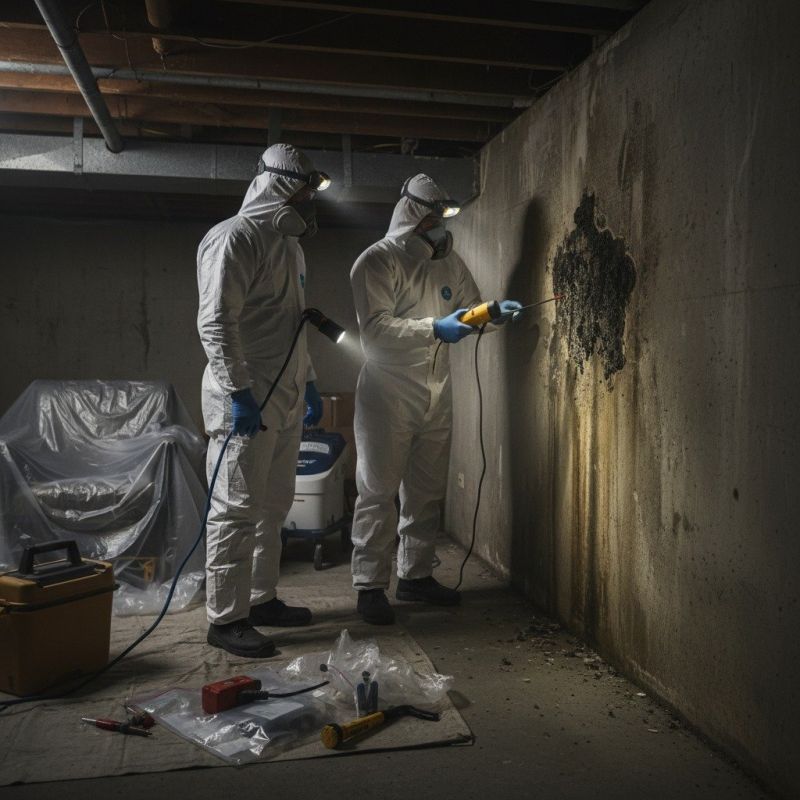
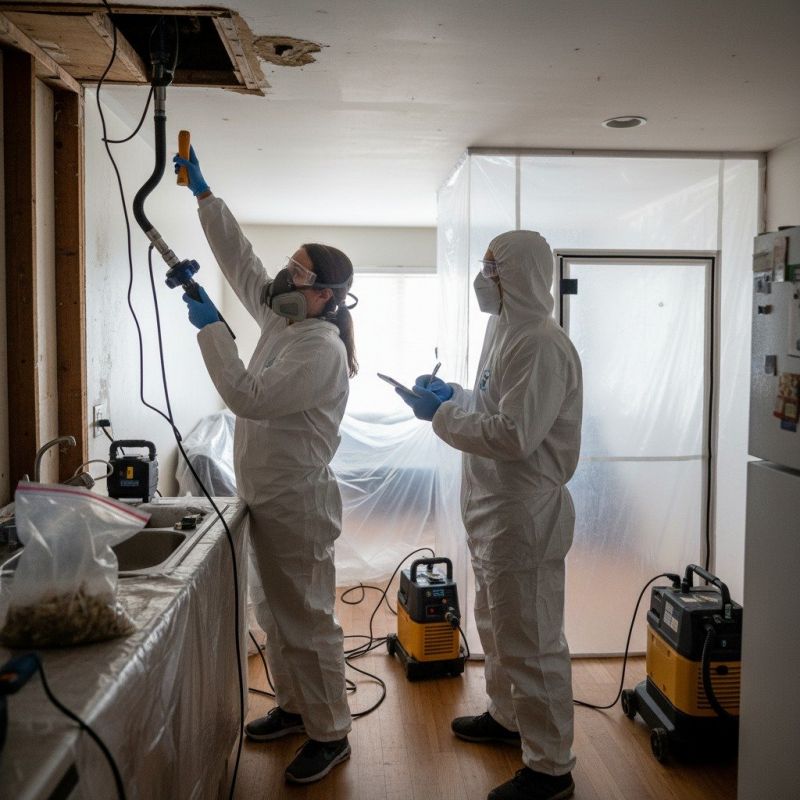
Mold abatement services involve the identification and removal of mold growth within residential properties. This process typically covers areas affected by excess moisture, such as basements, bathrooms, attics, or other spaces where mold has been detected or is suspected. Property owners often request mold abatement to improve indoor air quality, prevent potential health issues, and protect the structural integrity of their homes. Before requesting services, it is helpful for homeowners to understand the extent of mold presence, the types of surfaces affected, and any underlying moisture problems that may need addressing to prevent future growth.
The scope of mold abatement projects can vary from small-scale removals in single rooms to extensive efforts involving entire homes. Property owners should consider whether mold has been caused by ongoing leaks, high humidity, or poor ventilation, as these issues may need to be resolved to ensure effective mold removal. Understanding the severity of the mold problem, the materials involved, and any health concerns can help homeowners communicate their needs clearly and determine the appropriate course of action for their property.
Many property owners in Essex County, NJ look into Mold Abatement for repairs, replacements, upgrades, and appearance-related improvements.
Mold Removal And Prevention
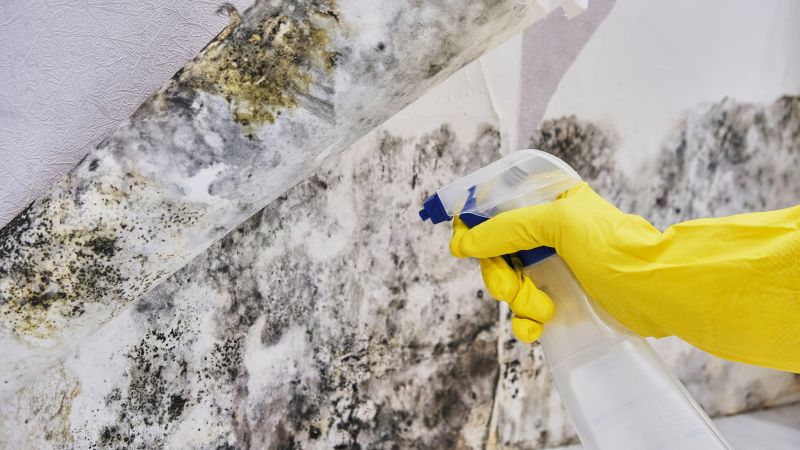
Comprehensive solutions to eliminate mold growth and prevent future issues in residential and commercial properties.
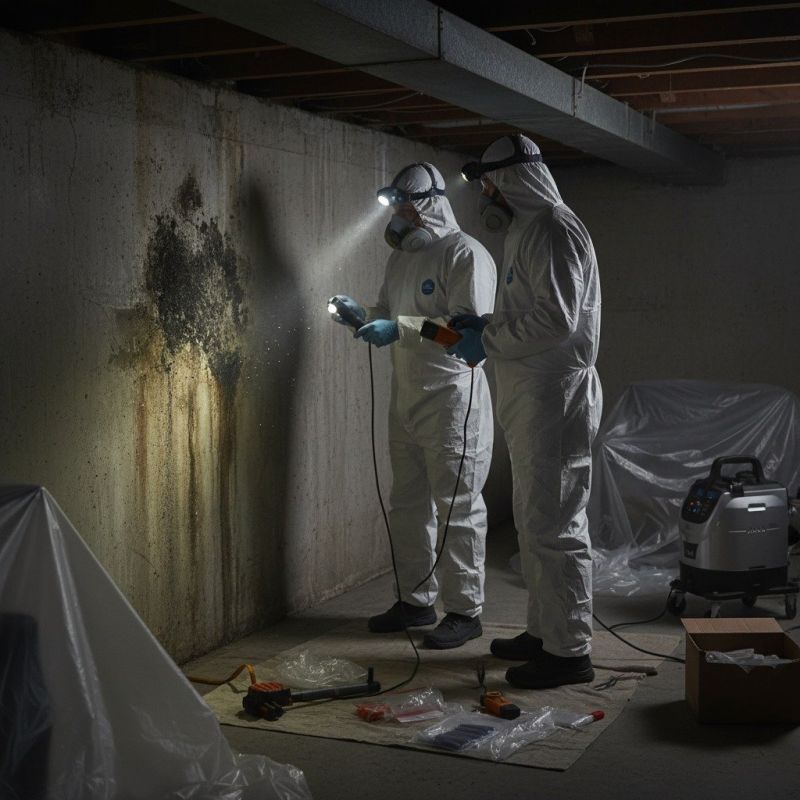
Assessing Mold Damage
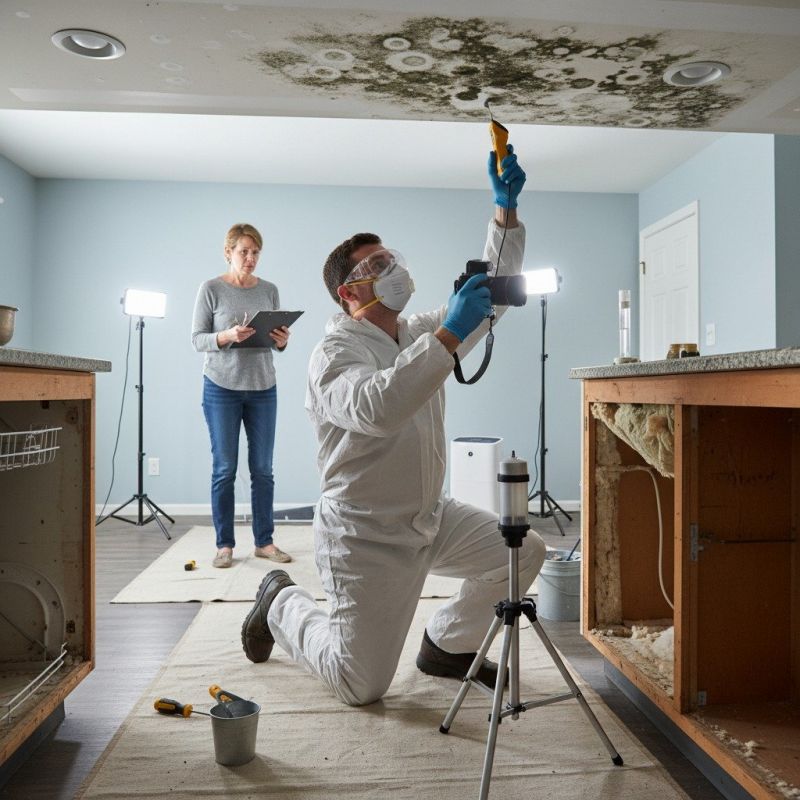
Professional inspections to identify hidden mold and assess the extent of contamination in essex county homes.
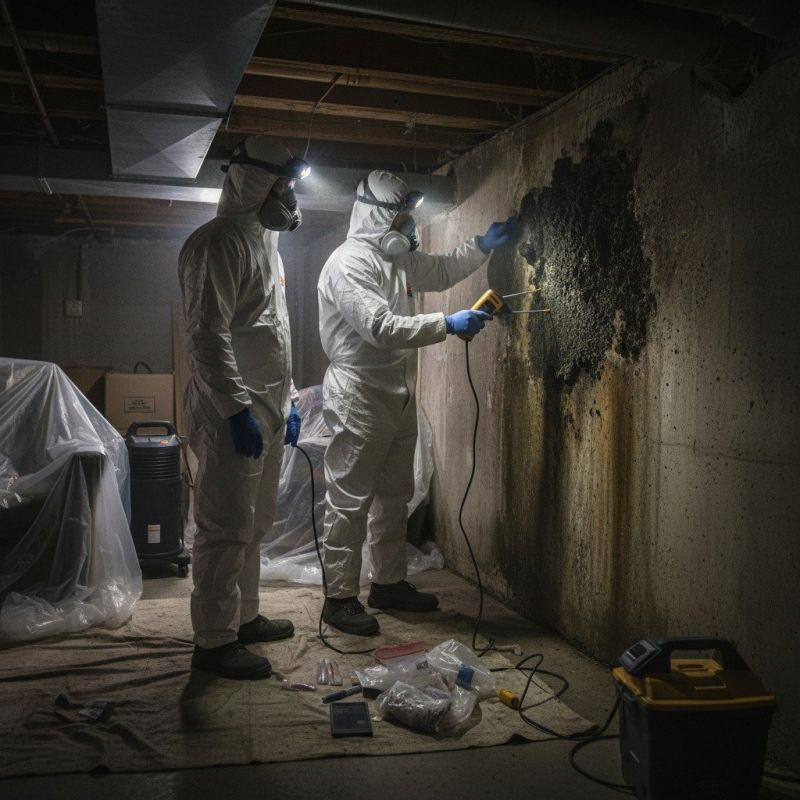
Restoration After Mold Issues
Restoring affected areas to ensure a safe and healthy environment after mold abatement projects.
Mold Abatement in Essex County, NJ
Mold abatement services involve the identification and removal of mold growth within residential properties. This process typically covers areas affected by excess moisture, such as basements, bathrooms, attics, or other spaces where mold has been detected or is suspected. Property owners often request mold abatement to improve indoor air quality, prevent potential health issues, and protect the structural integrity of their homes. Before requesting services, it is helpful for homeowners to understand the extent of mold presence, the types of surfaces affected, and any underlying moisture problems that may need addressing to prevent future growth.
The scope of mold abatement projects can vary from small-scale removals in single rooms to extensive efforts involving entire homes. Property owners should consider whether mold has been caused by ongoing leaks, high humidity, or poor ventilation, as these issues may need to be resolved to ensure effective mold removal. Understanding the severity of the mold problem, the materials involved, and any health concerns can help homeowners communicate their needs clearly and determine the appropriate course of action for their property.
Many property owners in Essex County, NJ look into Mold Abatement for repairs, replacements, upgrades, and appearance-related improvements.
Common Mold Abatement Jobs
Mold Remediation - removes existing mold growth from indoor surfaces to improve air quality.
Mold Prevention - applies treatments to inhibit future mold development after abatement.
Water Damage Restoration - addresses leaks and moisture issues that contribute to mold growth.
HVAC Mold Cleaning - clears mold from heating and cooling systems to prevent circulation.
Attic and Basement Mold Removal - targets hidden mold in often overlooked areas prone to moisture.
Structural Drying - ensures thorough drying of building materials to prevent mold recurrence.
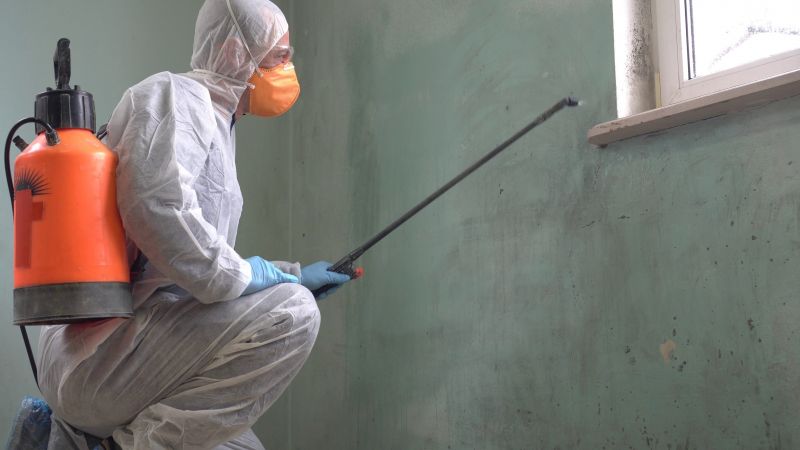
Mold Abatement Questions
What is mold abatement? Mold abatement involves removing mold growth from indoor spaces to improve air quality and prevent health issues.
When is mold abatement recommended? It is recommended when visible mold is present or after water damage to prevent mold from spreading.
What types of projects require mold abatement? Projects include cleaning mold from walls, ceilings, HVAC systems, and other areas affected by moisture.
How should property owners prepare for mold abatement? It’s important to address moisture sources and remove or cover belongings in affected areas before work begins.
Request Mold Abatement in Essex County, NJ
Use the quote form on this page to share the basics of your project and request more information for the type of work you need.